
Sourcing Home decor and furnishings from India for your Brand
In an increasingly crowded global retail environment, businesses are constantly searching for products that offer greater distinction, authenticity, and long-term commercial value. This search has led many buyers, retailers, and brands towards India, a country renowned not only for its manufacturing capabilities but also for its rich tradition of craftsmanship and artisan production. From handcrafted home décor and textiles to furniture, rugs, and decorative accessories, India has become one of the world’s most important sourcing destinations for businesses seeking products that combine design, cultural heritage, and competitive pricing.
India’s handicraft sector is a significant contributor to the country’s economy, supporting more than seven million people and creating employment opportunities across rural communities and smaller towns. Women account for over 56% of the artisan workforce, making the sector an important source of livelihood and economic participation. Across the country, 744 handicraft clusters employ nearly 212,000 artisans and produce more than 35,000 products, ranging from woodware, art metalware, handprinted textiles, embroidery, pottery, and glassware to imitation jewellery, fragrances, and decorative home accessories. The rapid growth of digital commerce and online marketplaces has further expanded access to Indian-made products, connecting artisans and manufacturers with customers across the world.
Consumer demand has increasingly shifted towards handmade, sustainable, and culturally distinctive products, particularly within the home décor, hospitality, gifting, and lifestyle sectors. This trend has created significant opportunities for Indian manufacturers and artisan communities. Tourism has also played a role in expanding awareness of regional crafts, encouraging both domestic and international consumers to purchase artisan-made products. According to IMARC Group, the Indian handicrafts market was valued at US$ 4.56 billion in 2024 and is projected to reach US$ 8.19 billion by 2033, growing at a CAGR of 6.39% between 2025 and 2033.
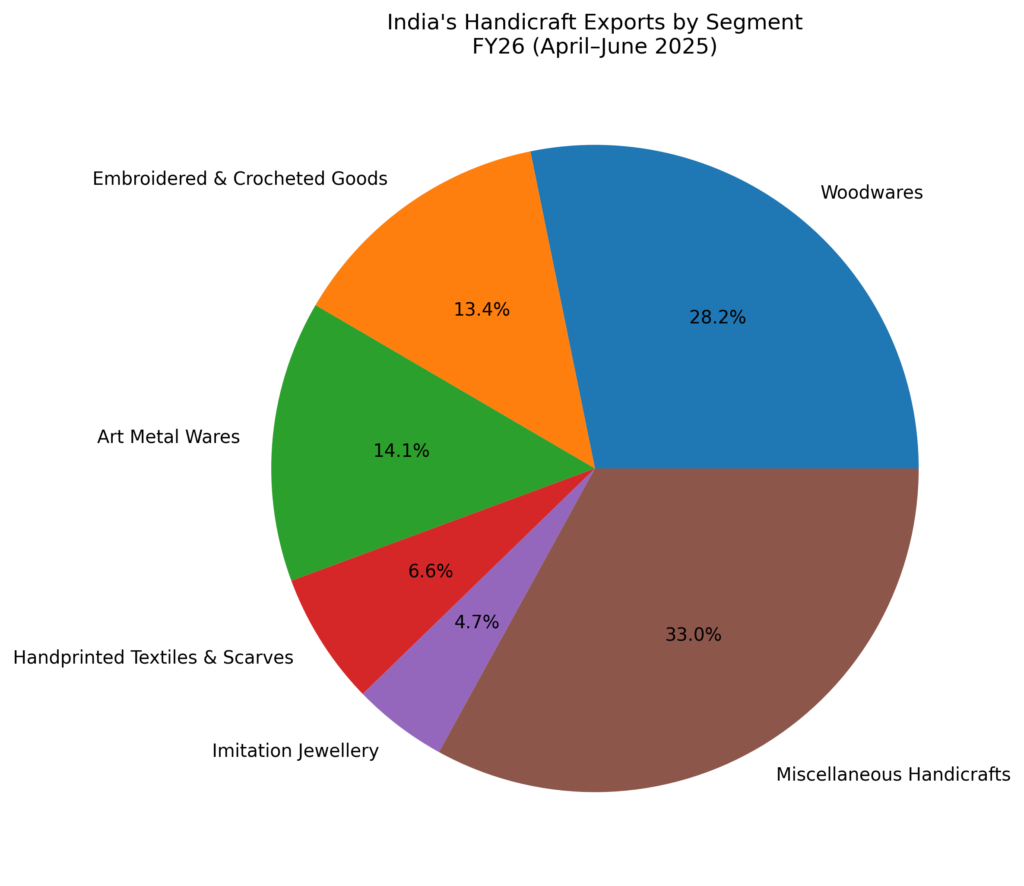
India’s export performance reflects the growing international appeal of its products. As per IBEF, Handicraft exports were valued at US$ 3.89 billion in FY25, while exports during the first quarter of FY26 (April–June 2025) reached US$ 903.11 million. The country is also a global leader in handmade carpets, accounting for approximately 40% of worldwide handmade carpet exports. Carpet exports were valued at US$ 1.36 billion in FY23, while Indian carpets continue to reach more than 70 countries worldwide. Beyond carpets, major export categories include woodware, embroidered and crocheted goods, art metalware, handprinted textiles and scarves, imitation jewellery, fragrances, and decorative handicrafts.
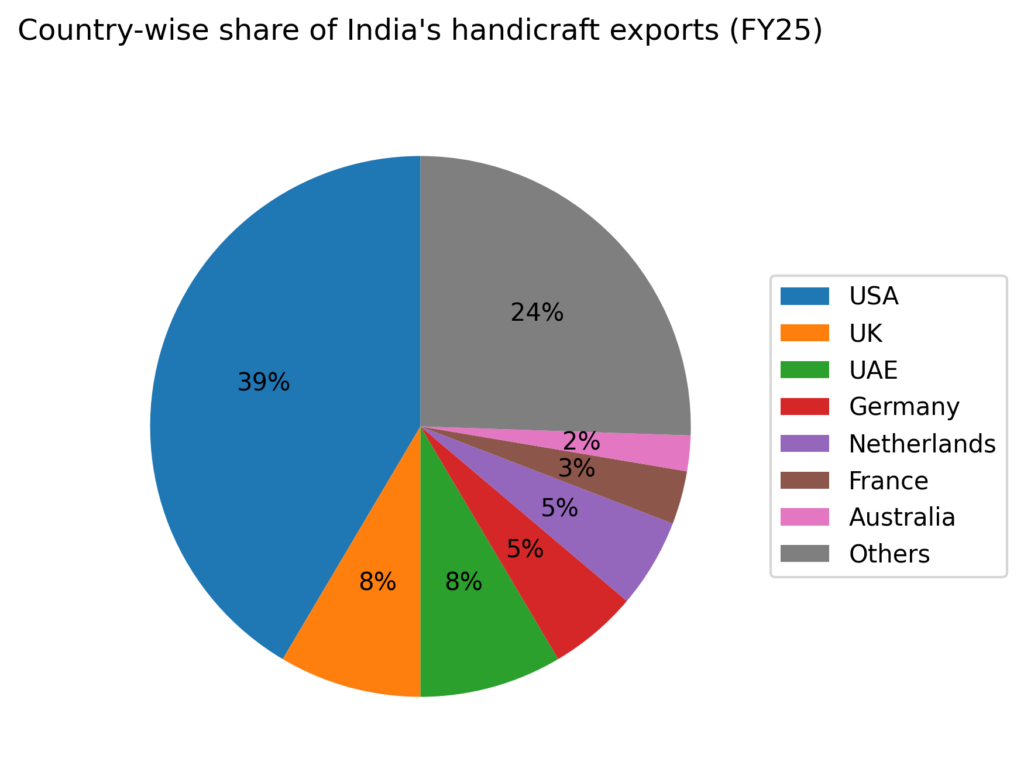
International demand remains particularly strong in markets such as the United States, which accounted for 38.69% of India’s total handicraft exports in FY25. Other major destinations include the United Arab Emirates, the United Kingdom, Germany, the Netherlands, France, and Australia. Australian buyers show strong demand for handprinted textiles, wood products, embroidered goods, and decorative shawls, while the United Kingdom imports a diverse range of handcrafted products including artware, woodware, crocheted goods, and imitation jewellery. The UAE remains an important destination for handprinted textiles, embroidery products, and art metalware.
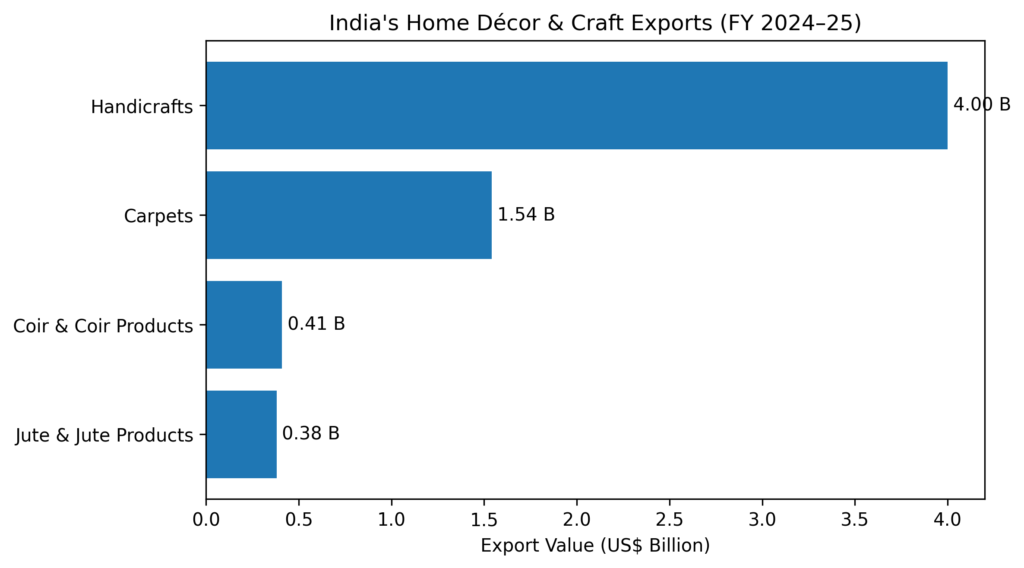
As per India Brand Equity Foundation and recent Government of India data, below is an updated breakdown and overview of total export figures across major categories (FY 2024–2025 / FY 2025–2026):
• Carpets: US$ 1.3–1.5 billion
• Coir and Coir Products: US$ 0.4–0.5 billion
• Handicrafts: US$ 3.5–4 billion
• Jute Products: US$ 0.4–0.5 billion
For buyers in the home furnishing and décor sector, India offers an exceptional range of sourcing opportunities. Product categories include home textiles and soft furnishings, rugs and carpets, wooden and industrial furniture, brass and metal décor, ceramics and pottery, candles and fragrances, baskets, storage solutions, natural fibre products, and sustainable home décor collections. The country’s specialised manufacturing clusters allow buyers to access deep expertise in specific product categories while benefiting from flexible production options, private labelling, custom product development, and competitive manufacturing costs.
In this blog, we explore the key home furnishing and décor categories sourced from India, the country’s major manufacturing hubs, leading export markets, supplier sourcing strategies, trade fairs, quality control considerations, and compliance requirements for businesses importing into markets such as the United States, Europe, the United Kingdom, and Australia.
Table of Contents
Homewares you can Source from India
India offers a wide range of home furnishing and décor products across both handmade and factory-based manufacturing sectors. Buyers can source products for premium boutiques, hospitality projects, e-commerce brands, interior design businesses, and large retail chains.
Home Textiles & Soft Furnishings
- Bed sheets
- Duvet covers
- Pillowcases
- Comforters and quilts
- Towels and bathrobes
- Bath mats
- Kitchen towels
- Aprons
- Tablecloths
- Table runners
- Curtains and drapes
- Cushion covers
- Throws and blankets
- Upholstery fabrics
- Furnishing fabrics
Common Materials
- Cotton
- Organic cotton
- Linen
- Hemp blends
- Bamboo fabrics
- Recycled fibres
- Polyester blends
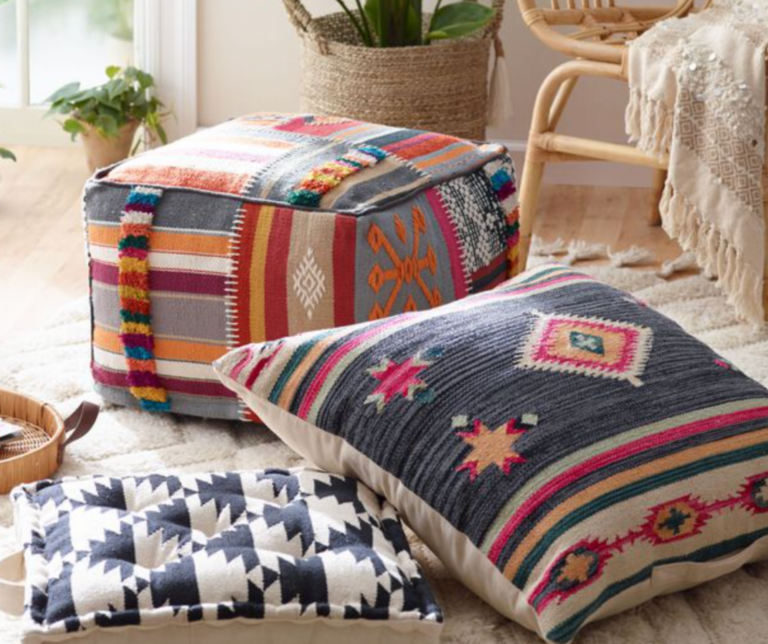
Rugs & Carpets
- Hand-knotted carpets
- Hand-tufted rugs
- Flat-weave dhurries
- Cotton rugs
- Wool rugs
- Silk carpets
- Jute rugs
- Kilims
- Machine-made rugs
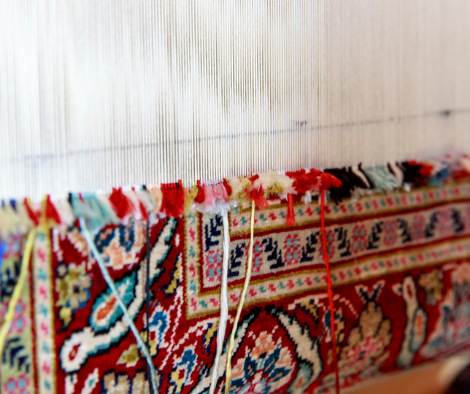
Furniture
- Wooden furniture
- Dining tables
- Coffee tables
- Cabinets and storage units
- Console tables
- Shelving units
- Cane furniture
- Reclaimed wood furniture
- Industrial furniture
- Hospitality furniture
- Accent furniture
- Hand-carved furniture

Decorative Accessories & Handicrafts
- Brassware
- Lanterns
- Candle holders
- Decorative bowls and trays
- Ceramic décor
- Blue pottery
- Marble décor
- Glassware
- Decorative mirrors
- Incense holders
- Handmade candles
- Wall décor
- Decorative storage products
- Artisan accessories
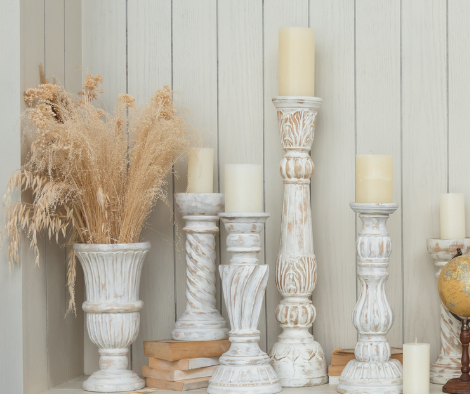
Sustainable & Natural Fibre Products
- Jute rugs
- Coir mats
- Natural fibre baskets
- Organic cotton textiles
- Recycled cotton rugs
- Bamboo décor products
- Cane furniture
- Sustainable storage products
- Eco-friendly home accessories
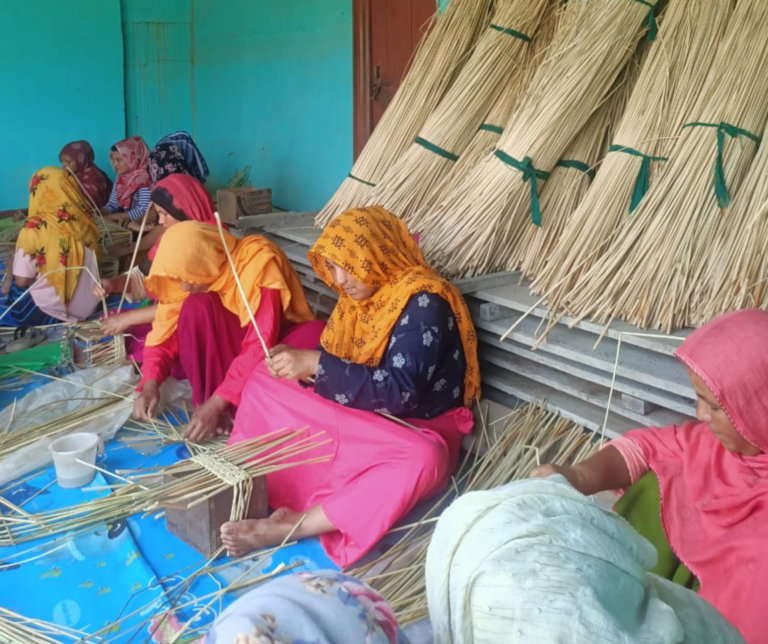
Key Home Furnishing & Décor Manufacturing Hubs in India
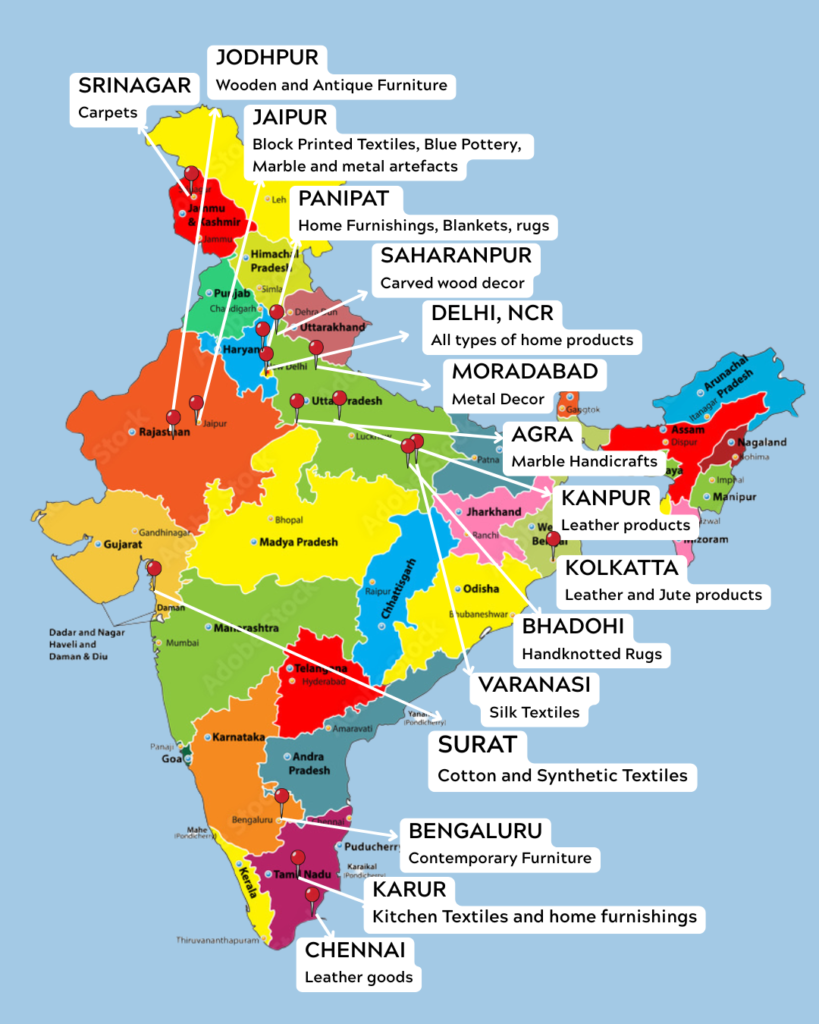
Panipat (Haryana)
Known for:
- Rugs
- Throws
- Cushion covers
- Blankets
- Recycled cotton textiles
- Furnishing fabrics
Panipat is one of India’s largest textile and furnishing manufacturing hubs.
Karur (Tamil Nadu)
Specialises in:
- Kitchen textiles
- Table linens
- Cotton home textiles
- Aprons
- Export-oriented manufacturing
Many suppliers here work with large international retailers.
Solapur (Maharashtra)
Known for:
- Towels
- Bath linens
- Cotton bedding products
Bhadohi (Uttar Pradesh)
Known as the carpet capital of India.
Famous for:
- Hand-knotted carpets
- Wool rugs
- Silk carpets
- Indo-Persian rug designs
Mirzapur (Uttar Pradesh)
Strong for:
- Large-scale carpet manufacturing
- Export-oriented rug production
Jaipur (Rajasthan)
Popular for:
- Block-printed textiles
- Dhurries
- Blue pottery
- Marble décor
- Artisan home accessories
Jodhpur (Rajasthan)
One of India’s largest furniture export hubs.
Known for:
- Reclaimed wood furniture
- Industrial furniture
- Rustic collections
- Vintage reproductions
Saharanpur (Uttar Pradesh)
Famous for:
- Hand-carved wood furniture
- Decorative wooden panels
- Screens and partitions
Moradabad (Uttar Pradesh)
Known as the “Brass City” of India.
Exports:
- Brass décor
- Aluminium products
- Lanterns
- Decorative metal accessories
Khurja (Uttar Pradesh)
Known for:
- Ceramic décor
- Pottery
- Tableware
Firozabad (Uttar Pradesh)
Strong for:
- Decorative glassware
- Glass décor
- Candle jars
Kochi / Kerala
Known for:
- Teak furniture
- Rosewood furniture
- Coir products
- Natural fibre home accessories
Bengaluru (Karnataka)
Strong for:
- Contemporary furniture
- Hospitality furniture
- Contract furniture manufacturing
Assam & Northeast India
Popular for:
- Bamboo products
- Cane furniture
- Handmade baskets
- Natural fibre décor items
Finding Suppliers of Homewares in India
As the apex body representing India’s handicraft export sector, EPCH maintains a comprehensive online member directory that allows buyers to search thousands of verified exporters, manufacturers, and supplier companies across a wide range of product categories and production regions. Buyers can search by product type, company name, location, and manufacturing specialisation, making it a valuable starting point for identifying potential suppliers. The directory includes exporters from major handicraft and homeware clusters throughout India and provides direct access to supplier information that can otherwise be difficult to locate through general online searches.
IHGF Delhi Fair (Spring & Autumn)
Organised by EPCH, the Indian Handicrafts & Gifts Fair (IHGF) is widely regarded as one of the largest sourcing events for home décor, furniture, furnishings, gifts, lifestyle products, and handicrafts. The fair attracts thousands of exhibitors and buyers from more than 100 countries and showcases thousands of product categories under one roof. For many international buyers, IHGF is the single most important sourcing event in India.
In addition to IHGF, buyers should also consider attending Bharat Tex, India’s largest integrated textile and textile-products exhibition. While the event covers the entire textile value chain, it includes dedicated sections for home textiles, carpets, handlooms, handicrafts, and furnishing products.
Another important event is HGH India (Home, Gifts & Housewares), which focuses specifically on home textiles, home décor, housewares, furnishings, furniture, kitchenware, and lifestyle products.
Gifts World Expo is also a useful sourcing platform, particularly for buyers interested in gifting products, decorative accessories, corporate gifts, festive collections, souvenirs, home accents, and lifestyle merchandise.
India International Trade Fair (IITF), New Delhi is also one of India’s largest trade exhibitions covering consumer products, handicrafts, home products, furnishings, and manufacturing sectors.
An important event for buyers sourcing handmade carpets, rugs, floor coverings, and textile-based home products is India Carpet Expo.
Buyers interested in jewellery, fashion accessories, and lifestyle products should also consider the Indian Fashion Jewellery & Accessories Show (IFJAS), organised by the Export Promotion Council for Handicrafts (EPCH). IFJAS is one of India’s leading B2B sourcing events dedicated to fashion jewellery, costume jewellery, handbags, scarves, accessories, and lifestyle product

Need help to find Best Indian Suppliers for your products?
Click here to find all details about how we can help Find and Connect you to Best Suppliers in India.
If you prefer a more hands-on approach, we also provide online video courses to help equip you with all the information so you can find Best Suppliers in India and have an entire contact directory of suppliers in minutes. Click here to Get all the details about Finding Indian Suppliers Courses.
An Ultimate Guide to Product Sourcing from India
Get the Entire product sourcing framework to Source products from India!

Quality Control Considerations
Quality control is one of the most important parts of sourcing home furnishings and décor products from India. While India offers excellent craftsmanship, competitive pricing, and strong manufacturing capabilities, inconsistent quality can become a major issue if proper systems are not in place. A structured quality control process helps reduce product defects, shipment disputes, customer complaints, and costly returns.
Many buyers make the mistake of checking quality only after production is complete. In reality, quality control should begin before sampling, continue during production, and finish with a final pre-shipment inspection.
Textile Quality Checks
Home textiles are one of India’s strongest export categories, but textile quality can vary significantly between suppliers. Buyers should clearly define technical specifications before production begins.
Important Parameters to Check
GSM (Grams per Square Metre)
GSM determines the thickness and weight of the fabric. For example, towels, blankets, and upholstery fabrics require different GSM levels depending on the market and price positioning. Lower GSM products may feel thinner and less premium, while higher GSM products are heavier and often more durable.
Thread Count
Thread count is especially important for bed linens and cotton bedding products. A higher thread count generally indicates a softer and denser fabric, though suppliers sometimes exaggerate thread count numbers. Buyers should verify this during sampling and testing.
Fabric Composition
Always confirm the actual fibre composition of the product. Some suppliers may substitute cheaper blended materials unless specifications are clearly defined. This is especially important for products marketed as 100% cotton, Organic cotton, Linen, Bamboo fabrics, Hemp blends etc. Lab testing can help verify material authenticity.
Shrinkage Percentage
Shrinkage is a common issue in cotton textiles. Buyers should define acceptable shrinkage tolerances before production, particularly for Bed sheets, Towels, Cushion covers, and Curtains. Most buyers typically accept shrinkage levels around 3–5% depending on the product category.
Colourfastness
Colour bleeding and fading are major concerns in home textiles. Products should be tested for Wash fastness, Rub fastness and Light fastness. This is especially important for dark colours, block prints, and dyed fabrics.
Stitch Consistency
Poor stitching quality can lead to product failures and customer complaints. Buyers should inspect Seam strength, Stitch density, Loose threads, Finishing quality, Alignment.
Common Certifications
OEKO-TEX- verifies that textiles are tested for harmful substances and are safer for consumer use.
GOTS (Global Organic Textile Standard)- important for businesses sourcing organic cotton products and targeting eco-conscious consumers.
BSCI- focuses on social compliance and ethical manufacturing practices.
Sedex helps buyers evaluate supplier ethical and responsible sourcing standards.
Rug & Carpet Quality Checks
Handmade products naturally contain variations so buyers must define acceptable tolerances clearly before production begins.
Important Areas to Check
Knot Count (KPSI)-For hand-knotted rugs, knot count directly impacts quality, detailing, and durability. Higher KPSI generally indicates finer craftsmanship and more detailed designs.
Material Authenticity-Always confirm the content of the rug. Some suppliers may blend cheaper materials unless specifications are clearly documented.
Colour Bleeding- Handmade rugs should be tested for dye bleeding, especially in darker or naturally dyed products.
Backing Quality-Check the backing and finishing of the rug carefully. Weak backing can affect durability and product lifespan.
Pile Density- It affects the feel, durability, and appearance of the rug. Low-density rugs may flatten quickly over time.
Edge Binding- Improper edge binding can lead to fraying during shipping or consumer use.
Furniture Quality Checks
Furniture sourcing requires strong quality control because defects can become expensive to repair or replace after shipment.
Important Areas to Check
Moisture Content in Wood-Improperly seasoned wood is one of the biggest issues in furniture sourcing from India. High moisture content can cause Cracking, Warping, Expansion and Shrinkage during shipment. Moisture meters should be used during inspections to verify wood conditioning.
Joinery Strength- Weak joinery can compromise furniture durability. Buyers should inspect Joints, Assembly points, Structural stability, Load-bearing areas.
Hardware Quality- Poor-quality hinges, screws, drawer runners, and handles can reduce the perceived value of the product.
Finish Consistency- Furniture finishes should be checked for Colour consistency, Smoothness, Surface defects, Scratches, Bubbling or peeling.
Weight-Bearing Tests- Tables, chairs, shelving units, and hospitality furniture should undergo load testing to ensure structural safety.
Export Packaging Quality- Furniture damage often occurs during transit rather than production. Strong export packaging is essential, especially for Fragile items, Glass components, Marble products or Carved furniture. Proper foam protection, corner guards, and carton strength should be verified before shipment.
Compliance Requirements by Market
Different export markets have different product safety and compliance requirements. Buyers should confirm regulatory obligations before placing orders.
UNITED STATES
Important Regulations
CPSIA (Consumer Product Safety Improvement Act)-Required for children’s products and certain home furnishing categories sold in the United States.
California Prop 65- California requires warnings for products containing certain chemicals and heavy metals.
Flammability Standards
Certain furnishing products must comply with flammability regulations, particularly:
- Upholstered furniture
- Mattresses
- Textiles
- CPSC USA
- California Prop 65
EUROPEAN UNION
Main Regulations
REACH Compliance- REACH regulates chemical usage in products entering the European market.
AZO Dye Restrictions- Textiles sold in Europe must comply with restrictions on harmful AZO dyes.
General Product Safety Regulation
Products sold within the EU must meet safety and consumer protection standards.
UNITED KINGDOM
Following Brexit, some product compliance requirements differ from the European Union.
Important Considerations
UKCA marking in certain product categories
Product safety documentation
Importer compliance obligations
AUSTRALIA
Furnishing safety standards
Fibre composition declarations
Labelling requirements
Product testing obligations
Looking to Source Products from India?
‘Sourcing with Kirti’, is your comprehensive solution to help you Source products from India. Our Done For You Sourcing services are tailored to offer seamless end-to-end solutions.Click here to get all details about our Sourcing Services.
We also have India Sourcing courses that provide equip you with all information, knowledge, tools, templates and resources to help source products from India.


