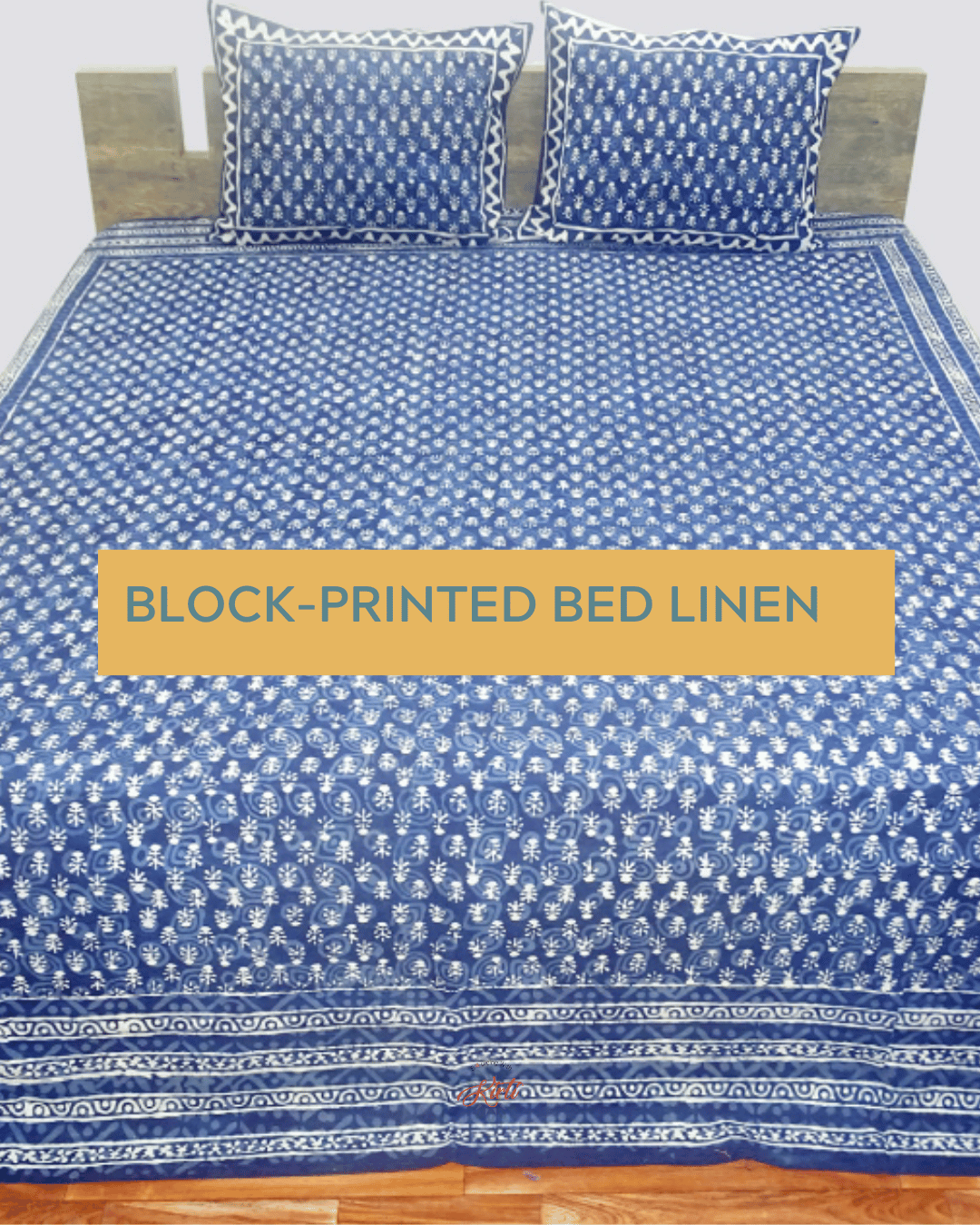
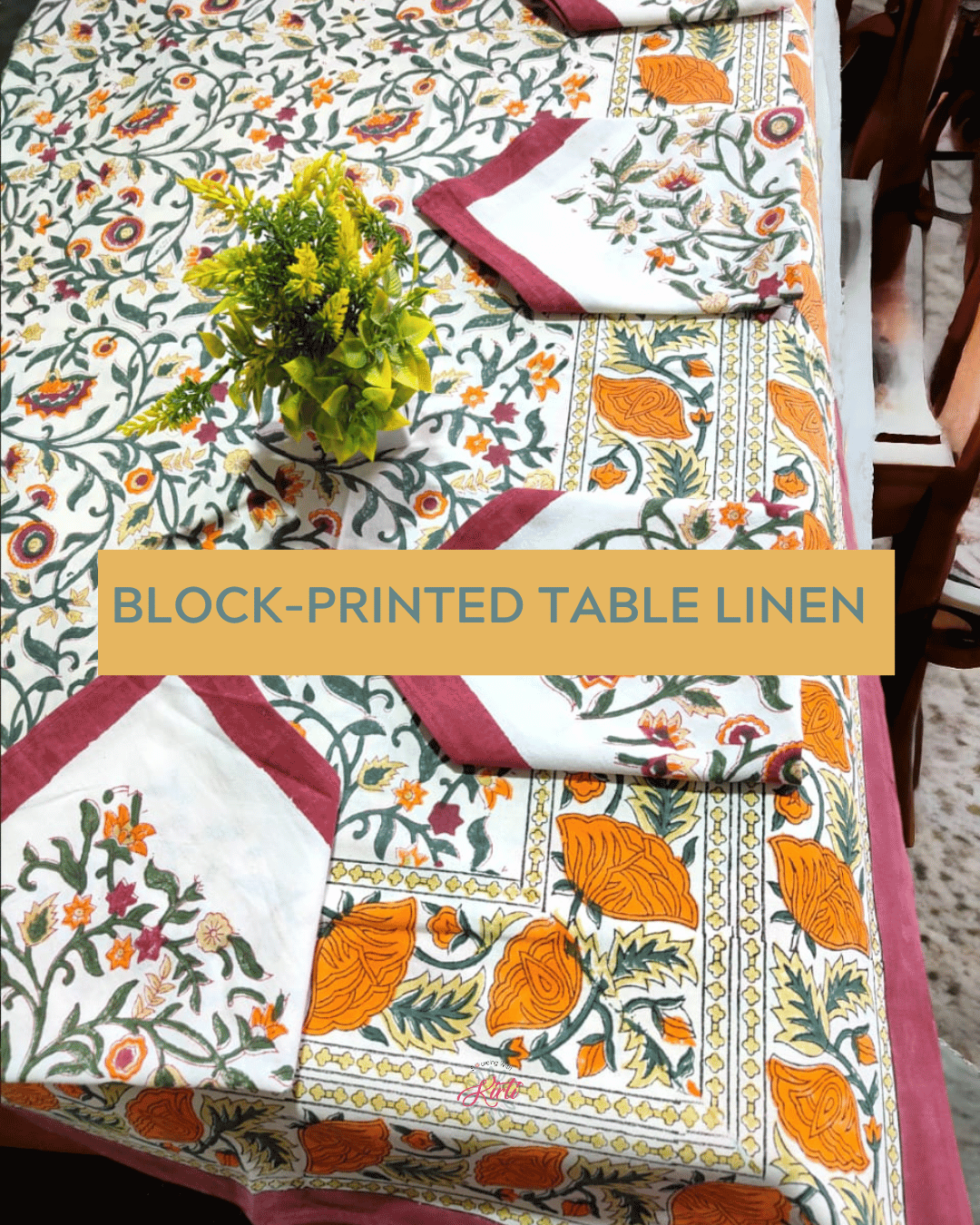
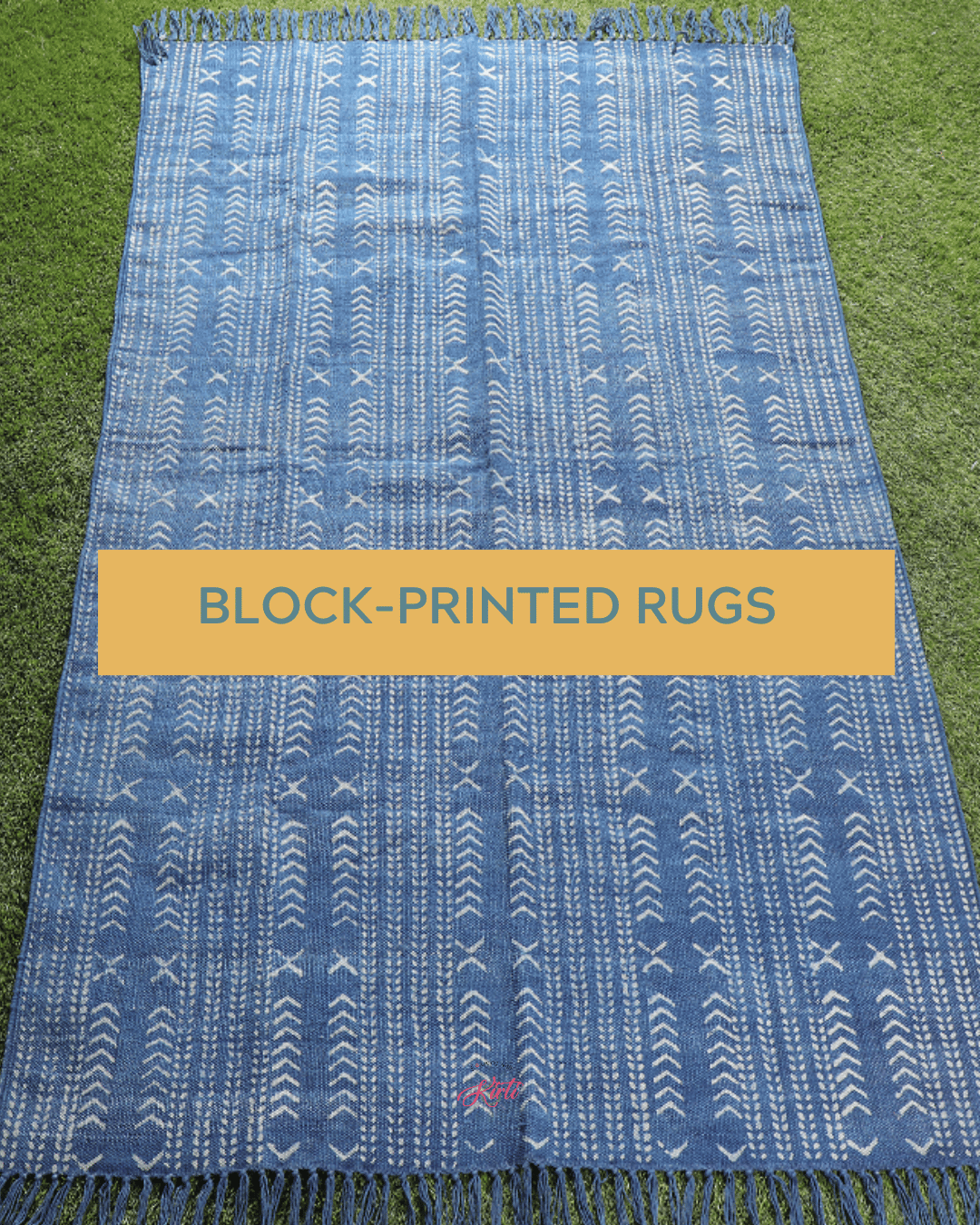
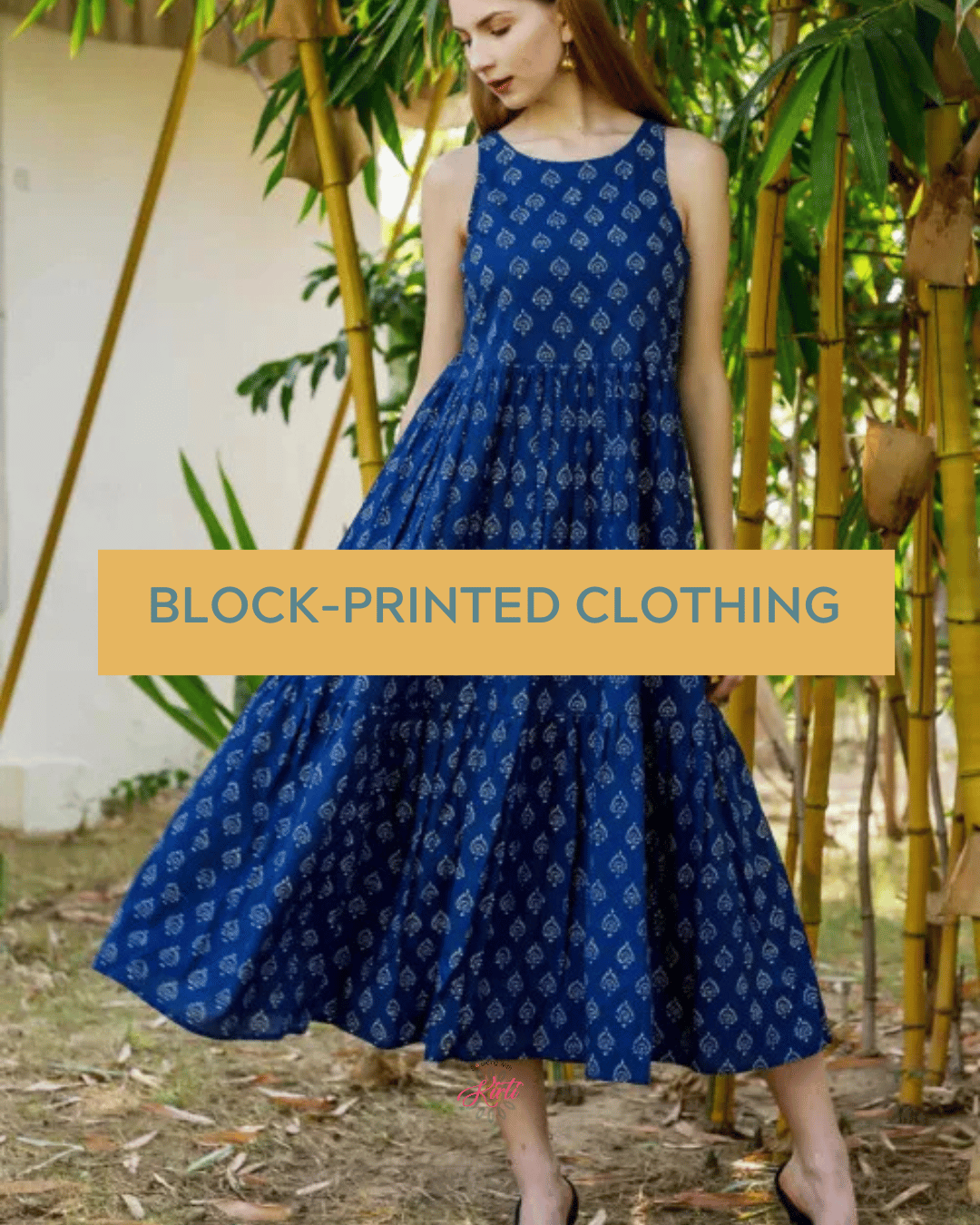
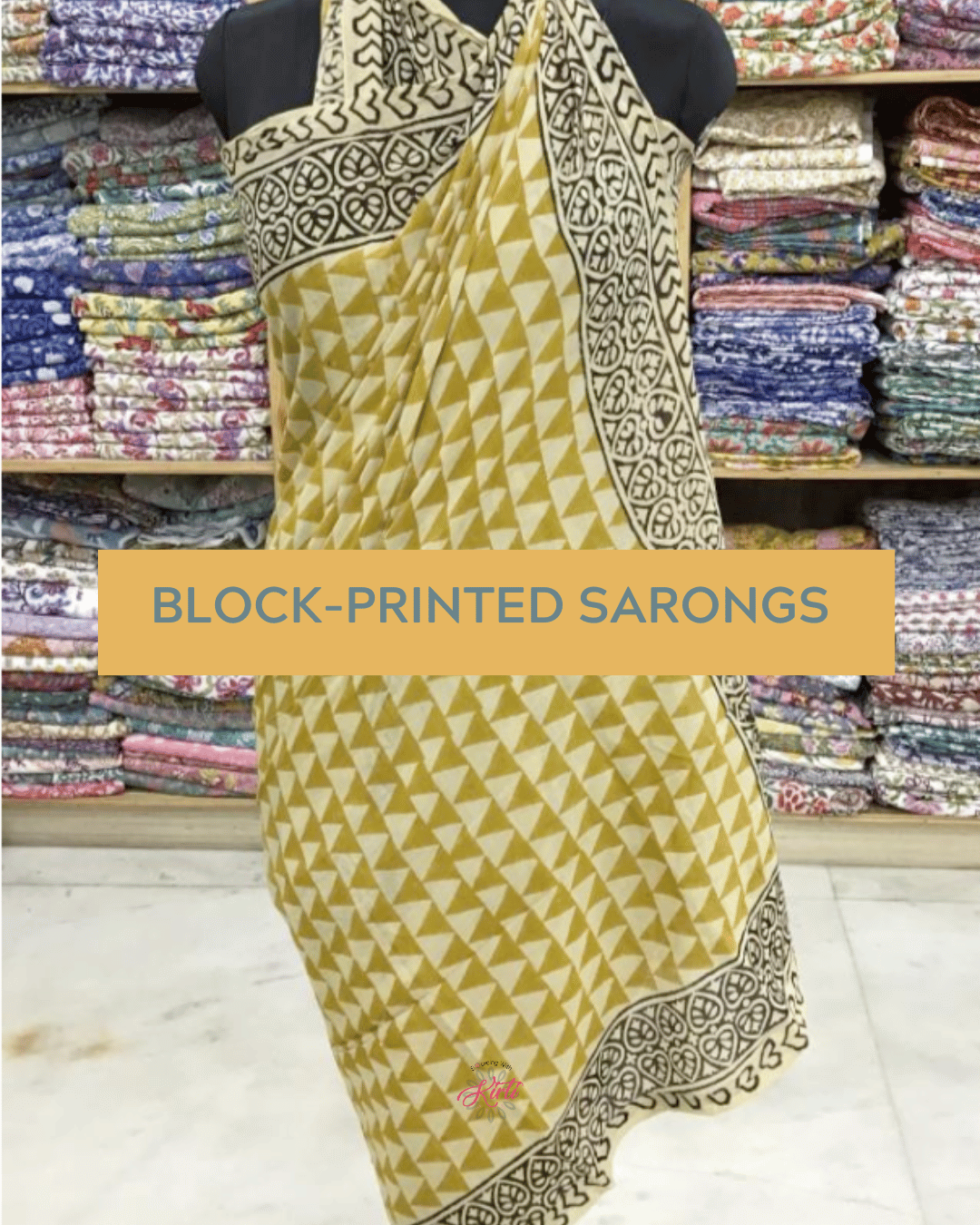
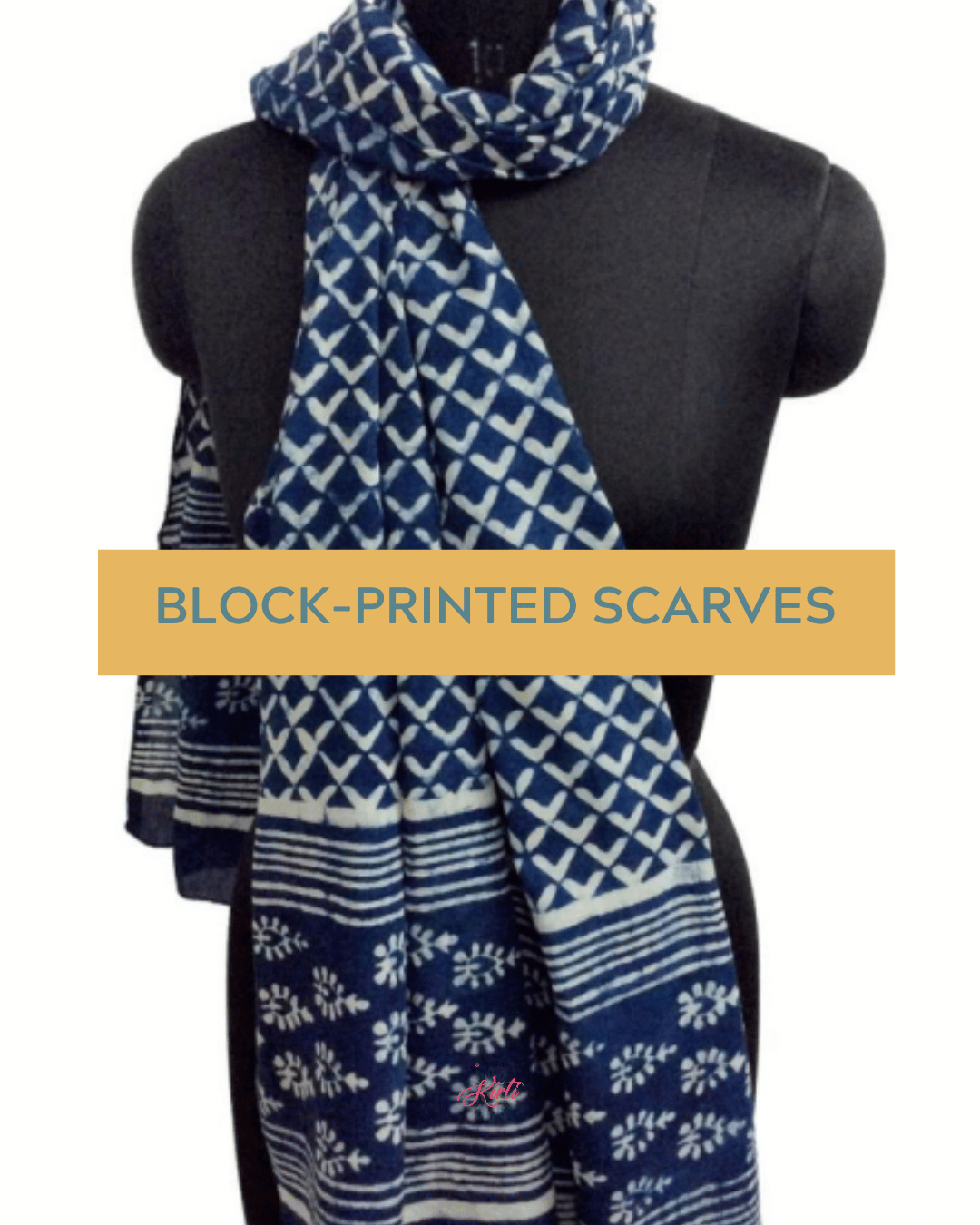
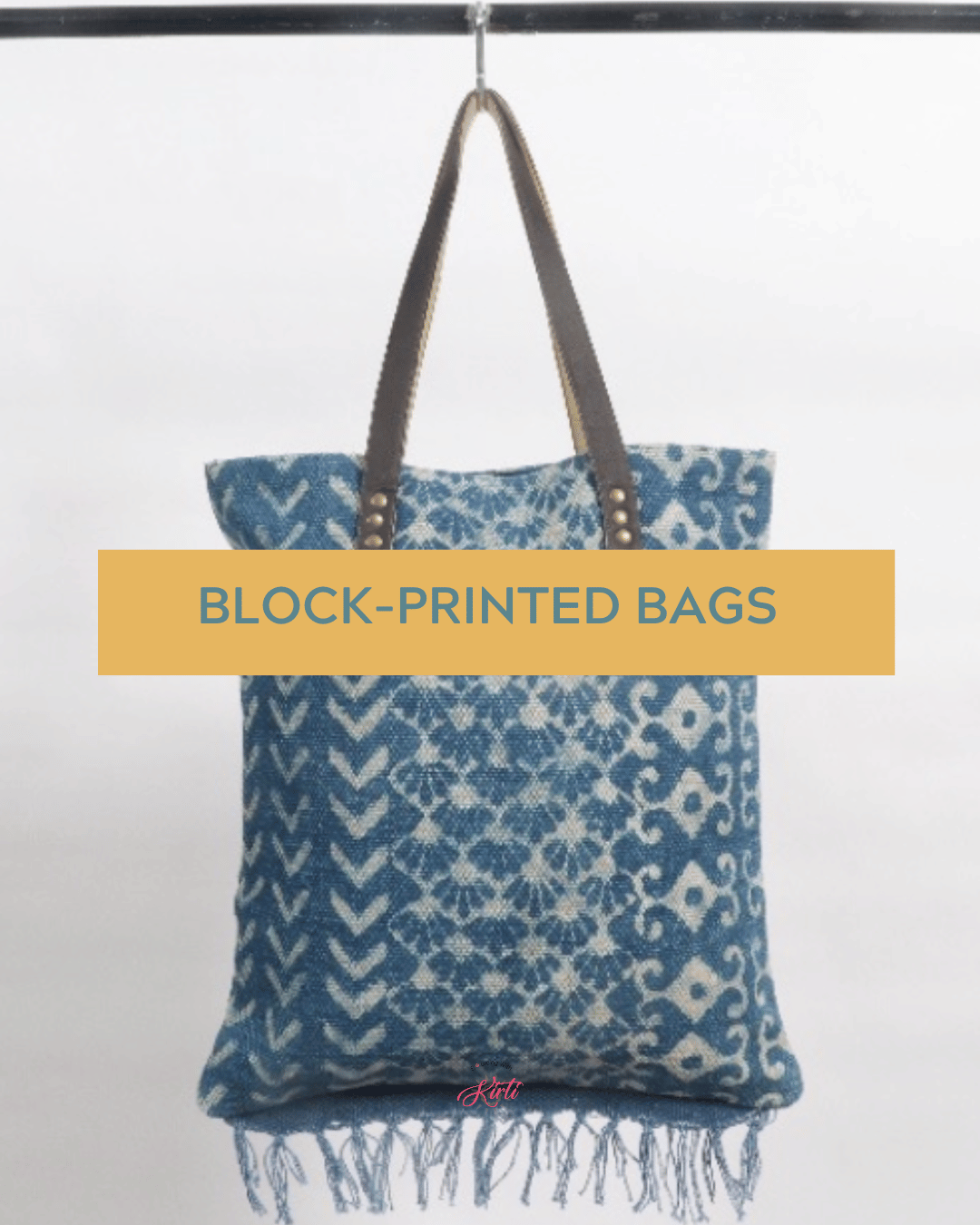
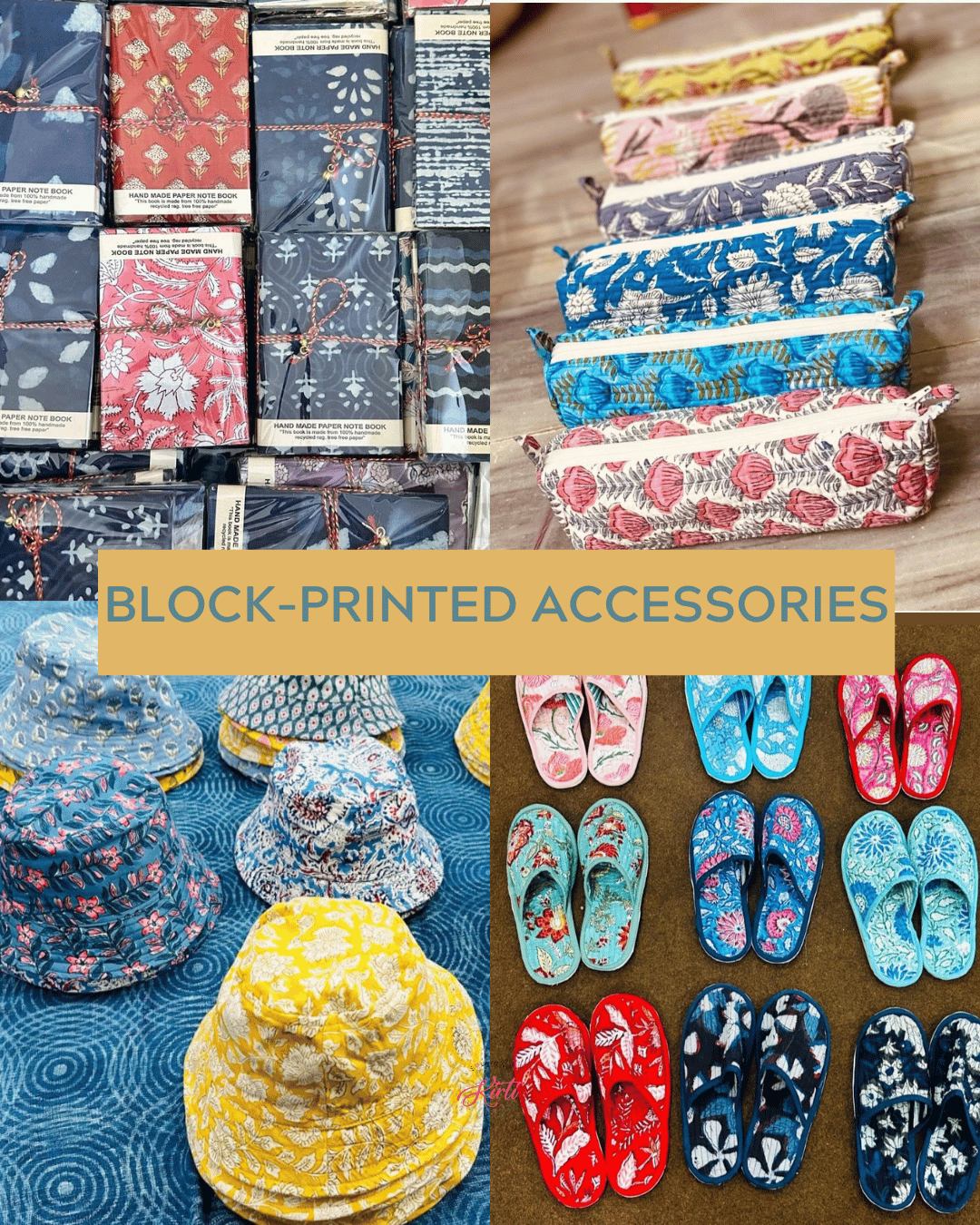
How to Source block-printed products from India
India’s block printing has long been a key part of its rich textile heritage. Known for its vibrant colors, intricate patterns, and sustainable production methods, block printing has been practiced for centuries.
In this blog, we will learn the fascinating history of block printing in India, key production hubs, the different types of products, and how you can source them for your business. Whether you’re looking for unique textiles or eco-friendly fashion items, sourcing from India’s block printing industry offers a wide array of options.
History of Block-printed products in India
Block printing in India dates back to around the 12th century, making it one of the oldest and most revered textile techniques in the country. The origins of the craft are believed to have been influenced by both Indian and Persian artistic traditions. The technique involves hand-carving intricate patterns onto wooden blocks, which are then dipped in dyes and pressed onto fabric. The result is a fabric covered in detailed designs, often inspired by nature, geometry, and religious motifs.
During the Mughal period (16th to 19th centuries), block printing flourished under royal patronage. The Mughal emperors appreciated and supported the craft, leading to a surge in the production of block-printed textiles for garments, home furnishings, and ceremonial purposes. The intricate craftsmanship was showcased in textiles that were used in royal courts and among the aristocracy.
Over the centuries, the practice spread across India, with each region developing its own distinctive style and technique. For example, Rajasthan became home to famous block prints like “Bagru” and “Sanganer,” each of which carries its own unique aesthetic. Today, block printing remains a highly regarded craft, celebrated for its artistry, eco-friendliness, and ability to blend traditional designs with modern trends.
Sourcing Block-printed Products: A sustainable choice
In recent years, sourcing block-printed products from India has gained popularity among eco-conscious consumers due to its sustainable nature. The practice uses natural dyes and eco-friendly materials, making it a better alternative to mass-produced textiles. The method is labor-intensive, but it doesn’t rely on heavy machinery or harmful chemicals, which makes it a more environmentally responsible choice compared to modern textile production methods.
As part of the global shift toward sustainability, the demand for block-printed products has surged. Sourcing from India allows businesses to tap into the rich heritage of block printing while ensuring eco-friendly production. India accounts for a significant portion of the world’s block-printed textiles exports, with several international brands turning to India for unique, handcrafted fabrics. This growing market presents opportunities for small businesses and entrepreneurs to source high-quality, eco-friendly products.
Key Production hubs for Block-printing in India
India’s block printing industry is spread across several regions, with certain states being more famous for their unique styles and techniques. The main production hubs for block-printed products include:
1. Rajasthan
Rajasthan, especially the regions of Bagru and Sanganer, is the epicenter of India’s block printing industry. These areas are known for their beautiful, intricate patterns and the use of natural dyes.
Sanganer and Bagru are two traditional block printing styles from Rajasthan, each with distinct characteristics. Sanganer prints are typically done on white or light fabrics using fine, floral motifs with bright colours, influenced by the area’s abundant water, which yields rich, dark shades.
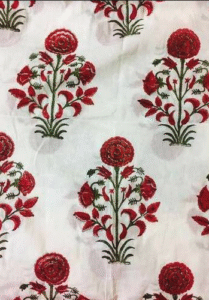
In contrast, Bagru prints are made on dyed or indigo backgrounds, often using earthy tones and bold, geometric patterns. The water scarcity in Bagru led to the use of mud-resist (dabu) and indigo dyeing techniques. While Sanganer is known for delicate detailing and natural motifs, Bagru offers a rustic aesthetic with striking, large-scale designs.
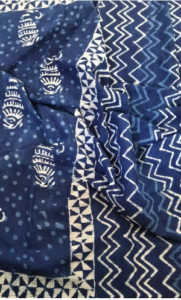
Bagru and Sanganer are both famous for their rich block printing traditions, yet their use of dyes today reflects a blend of old and new practices. Historically, Bagru is associated with natural vegetable-based dyes, reflecting its deep-rooted connection to organic methods. However, in recent years, shifts in market demand and the push for larger-scale production have led some artisans to adopt synthetic and azo-free dyes alongside the traditional ones. Similarly, Sanganer, which has long been admired for its fine floral patterns and bright prints, increasingly incorporates synthetic dyes to meet the need for diverse colours and faster output. As a result, while the heritage of natural dyes remains strong in both centres, contemporary production often involves a combination of both natural and synthetic materials.
While many artisans in both places now use a mix of synthetic, azo-free, and natural dyes, it’s still very much possible to have your products made with organic and chemical-free dyes if you are specifically looking for eco-friendly options. When sourcing these beautiful textiles, it’s a good idea to clearly communicate your preference for eco-friendly materials, as the techniques can be adapted to suit different requirements.
2. Gujarat
Gujarat has its own block printing tradition, with cities like Kutch and Ahmedabad leading the way. The prints from this region often feature bold designs and are heavily influenced by the state’s rich cultural history. The Kutch region is known for its combination of embroidery and block printing.
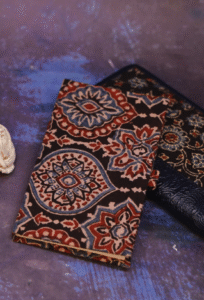
Unlike other block printing styles such as Bagru or Sanganeri, which often use chemical dyes and floral motifs, Ajrakh relies exclusively on plant- and mineral-based dyes like indigo, madder root, and pomegranate peel, applied through a laborious resist-printing technique. The process involves up to 14–16 stages of printing, dyeing, washing, and drying, often taking several weeks to complete a single piece. Traditional Ajrakh fabric is printed on both sides with perfect alignment, a feature not typically seen in other block prints. Its symmetrical patterns often draw from Islamic architectural influences and hold cultural significance for artisan communities, symbolising cosmic elements like the sun, moon, and stars. This combination of natural dye use, complex layering, double-sided precision, and symbolic meaning makes Ajrakh distinct from faster, more commercially oriented block printing traditions.
3. Andhra Pradesh
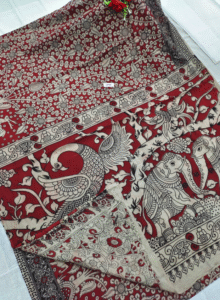
In Andhra Pradesh, the town of Machilipatnam is famous for its hand-blocked Kalamkari designs, which are intricate, religious-themed prints often seen on cotton textiles.
Originating from Andhra Pradesh and Telangana, Kalamkari literally means “pen work,” referring to the use of a tamarind twig and natural pigments to draw detailed motifs. The designs often depict mythological stories, religious epics, floral patterns, and scenes from nature, making each piece visually rich and narratively layered. Unlike other textile arts, Kalamkari combines fine line drawing, shading, and intricate storytelling, requiring exceptional skill and multiple stages of treatment, including natural bleaching, dyeing, hand-painting, and washing.
An Ultimate Guide to Product Sourcing from India
Get the roadmap, an entire product sourcing framework to Source products from India!

Sourcing block-printed products from India is an exciting and rewarding experience. By sourcing from India, you gain access to high-quality, handcrafted textiles that are both beautiful and sustainable. Look for suppliers and manufacturers in the key production hubs like Rajasthan and Gujarat. Many of these artisans are well-established and have been practicing their craft for generations.
By sourcing block-printed products from India, you can offer your customers beautiful, one-of-a-kind items while supporting traditional artisans and sustainable practices. Whether you’re sourcing for your home decor business or your fashion line, India’s block-printed textiles are a great way to stand out and celebrate craftsmanship that has stood the test of time. With eco-friendly production methods and a rich history, these products will surely appeal to your customers who value sustainability and quality.
Looking to Source Products from India?
‘Sourcing with Kirti’, is your comprehensive solution for all your sourcing needs in India. Our Done For You Sourcing services are tailored to offer seamless end-to-end solutions.Click here to get all details about our Sourcing Services.
We also have India Sourcing courses that provide equip you with all information, knowledge, tools, templates and resources to help source products from India.


![Comment Wholesale to Get list of Top wholesale markets in India in your DMs!
Save it for later!
And if you Need our help to Source products from India or connect to suitable suppliers?
Slide into our DM to get started on your sourcing journey. 📥
Get in touch-
✉️ hello@sourcingwithkirti.com.au
🌐 https://www.sourcingwithkirti.com.au
Follow @sourcingwithkirti for product sourcing strategies.
[ e-commerce, sourcing from India, online sellers, online store, small business, clothing brand, fashion, accessories, heritagetextiles india, embroideredclothing, blockprint, mumbai, tiruppur, kolkata, banaras, ludhiana, delhi, jaipur, india, source products from India]#India sourcing, Source from India,#Source products from India, Bestindiasourcingcoach #bestindiaasourcingagent](https://sourcingwithkirti.com.au/wp-content/plugins/instagram-feed/img/placeholder.png)